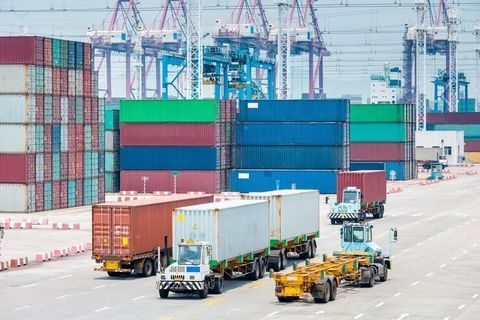
Intermodal Freight Transportation Operations: Explore How Cargo Moves Across Modes
Moving goods across long distances often requires more than one type of transportation. Intermodal freight transportation operations make this possible by combining trucks, trains, ships, and sometimes other transport modes to move cargo between production facilities, distribution centers, ports, and final destinations.
As international trade and regional distribution networks become increasingly interconnected, businesses rely on coordinated freight movements to maintain predictable supply chains. Each transportation mode serves a different purpose, and the way these modes connect can influence transit times, cargo handling, inventory planning, and delivery reliability.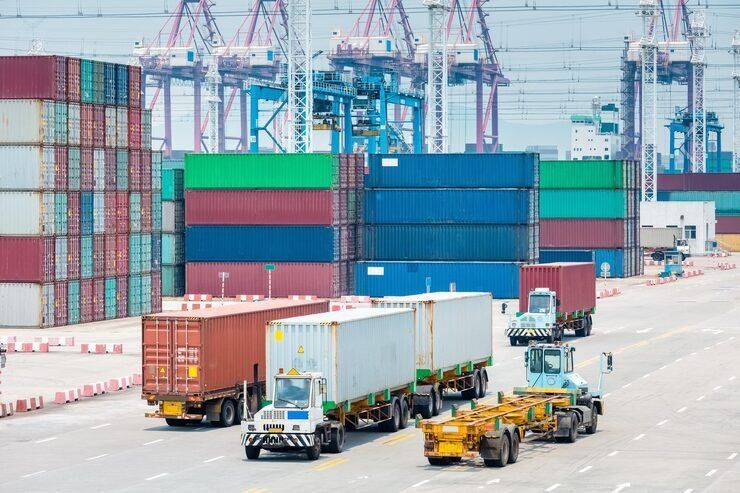
Understanding intermodal freight operations helps explain how shipping containers move through complex transportation networks without requiring the cargo inside to be unloaded at every transfer point. From container preparation and terminal handling to route coordination and final delivery, each stage contributes to the movement of goods.
How Intermodal Freight Transportation Works
Intermodal freight transportation uses two or more transportation modes to move cargo within a coordinated shipment. A common example involves a truck collecting a container from a manufacturing facility, a train carrying it over a long inland distance, a ship transporting it internationally, and another truck completing the final delivery.
The defining feature is the use of the same loading unit, such as a shipping container or standardized intermodal trailer, across multiple modes. The container itself transfers between vehicles, while the goods generally remain inside it throughout the journey.
This arrangement reduces the need to handle individual products at every transfer point. It can also help businesses combine the flexibility of road transportation with the long-distance capacity of rail and maritime freight.
Intermodal transportation differs from multimodal transportation in its operational and contractual arrangements. Intermodal describes the use of multiple transport modes with the cargo remaining in the same loading unit. Multimodal transportation commonly refers to a shipment managed under a single transport contract, although the terminology and legal definitions can vary by jurisdiction.
The Transportation Modes Behind an Intermodal Shipment
Each mode contributes different capabilities to the overall journey. Successful operations depend on assigning the appropriate segment to each mode rather than expecting one method to handle every requirement.
Road Transportation for Collection and Delivery
Trucks commonly handle the first and last portions of an intermodal shipment. They collect containers from factories, warehouses, and distribution centers, then transport them to rail terminals, seaports, or inland container depots.
Road transportation provides access to locations that may not have direct rail or maritime connections. However, its performance can be affected by traffic congestion, road restrictions, driver availability, and terminal appointment schedules.
Rail Transportation for Inland Movement
Rail is frequently used for long-distance inland freight, particularly where established intermodal corridors connect major cities, logistics hubs, and ports.
A freight train can carry many containers in one movement, allowing rail operators to consolidate cargo across a shared route. Rail performance depends on network capacity, terminal access, train schedules, and coordination with connecting road services.
Maritime Transportation for International Freight
Container ships move large volumes of goods between seaports across international trade routes. Maritime transportation is particularly relevant when cargo travels between continents or through major coastal gateways.
Port operations introduce additional requirements, including vessel schedules, customs documentation, container availability, and coordination between shipping lines and terminal operators. Delays at a port can affect subsequent rail connections, warehouse appointments, and final delivery schedules.
What Happens at Intermodal Terminals?
Intermodal terminals connect transportation modes and provide the infrastructure needed to transfer loading units between them. They may be located at seaports, inland rail yards, logistics parks, or specialized freight facilities.
When a container arrives, terminal personnel and automated systems identify its location, verify its movement instructions, and prepare it for transfer. Cranes, reach stackers, or other lifting equipment move containers between trucks, rail wagons, and designated storage areas.
The terminal must also manage equipment availability and traffic flow. Containers arriving too early may occupy valuable storage space, while late arrivals can miss scheduled train departures or vessel cutoffs.
Digital terminal systems help coordinate gate movements, container locations, equipment assignments, and release instructions. Accurate information is essential because a physical container can be ready for movement while still awaiting customs clearance or another administrative authorization.
Planning the Route and Coordinating Transfers
Intermodal freight planning involves more than selecting a train or ship. Logistics teams must determine how the complete route will operate, including collection, terminal transfers, long-distance transportation, border procedures, and final delivery.
Route selection depends on the origin and destination, available terminals, transport schedules, cargo characteristics, and required delivery window. A route with fewer kilometers may not provide the shortest transit time if it involves additional transfers or poorly aligned schedules.
Connection timing is particularly important. If a truck arrives after a rail terminal's receiving cutoff, the container may need to wait for the next departure. Similarly, a missed vessel connection can extend the overall journey beyond the original schedule.
Planners therefore build realistic transit estimates around scheduled movement times, terminal handling, customs procedures, and potential disruptions. They may also identify alternative routes or gateways for shipments that require additional resilience.
Documentation, Customs, and Shipment Visibility
International intermodal shipments require accurate documentation and coordination between multiple organizations. Depending on the route and cargo, records may include bills of lading, commercial invoices, packing lists, customs declarations, and other regulatory documents.
The information must remain consistent across the shipment's different stages. Differences in container identification, cargo descriptions, shipment references, or consignee details can create administrative delays even when the physical transportation network is operating normally.
Customs clearance is a separate process from physical cargo movement. A container may reach a port or inland terminal but remain unavailable for onward transportation until the relevant authorities complete their procedures and release it.
Shipment visibility systems help logistics teams monitor milestones such as container pickup, terminal arrival, train departure, vessel loading, discharge, and final delivery. Electronic data interchange, transportation management systems, and container tracking technologies can improve coordination when participating organizations exchange timely and accurate information.
Managing Delays and Operational Disruptions
Intermodal transportation involves several connected networks, so a disruption in one segment can affect the entire shipment. Severe weather, port congestion, rail network interruptions, customs inspections, equipment shortages, or labor disruptions may change the planned sequence of movements.
Effective operations require clear responsibility for monitoring these events and communicating changes. Logistics coordinators may need to arrange alternative departures, revise truck appointments, update warehouse receiving schedules, or notify the shipment recipient about a revised arrival estimate.
Container availability is another operational concern. Empty containers must be positioned where exporters need them, while loaded containers must reach terminals within their acceptance windows. Poor equipment planning can create avoidable waiting periods and interfere with the movement of other shipments.
Contingency planning is especially useful for time-sensitive cargo. However, not every disruption can be resolved by changing modes immediately because alternative routes may lack capacity, require different equipment, or involve additional handling and documentation.
Measuring Intermodal Freight Performance
Intermodal operations are commonly evaluated through several connected performance measures rather than a single delivery metric.
Transit time measures how long cargo takes to travel between defined points. On-time performance indicates whether shipments meet planned milestones or delivery commitments. Terminal dwell time measures how long containers remain at a terminal before moving to the next stage.
Other useful measures include container utilization, equipment availability, cargo damage rates, schedule reliability, and the frequency of missed connections. Together, these indicators help identify whether delays originate in transportation, terminal handling, documentation, or coordination.
Environmental performance may also be considered. Rail and maritime transportation can provide lower emissions per unit of freight than road-only movement on some routes, but the actual outcome depends on distance, vehicle utilization, energy sources, terminal operations, and the road legs required.
How Technology Supports Intermodal Coordination
Modern intermodal networks depend on information systems that connect carriers, terminal operators, freight forwarders, customs representatives, and cargo owners.
Transportation management systems support route planning, shipment scheduling, and carrier coordination. Terminal operating systems help manage container positions and equipment movements, while tracking platforms provide updates about shipment milestones.
Data quality remains as important as the technology itself. If a carrier's departure update is delayed or a terminal records an incorrect container reference, downstream teams may make decisions using outdated information.
More connected data exchange can improve exception management by helping teams identify disruptions earlier and revise operational plans before they affect later stages. Human coordination remains essential, particularly when a shipment requires a decision that automated systems cannot resolve independently.
Frequently Asked Questions
What is the main purpose of intermodal freight transportation?
Its main purpose is to combine different transportation modes within one cargo journey while keeping the goods in the same loading unit during transfers. This allows road, rail, and maritime networks to contribute where each is operationally suitable.
How is intermodal freight different from multimodal transportation?
Intermodal freight focuses on moving cargo in the same loading unit across multiple transport modes. Multimodal transportation often emphasizes management under a single transport contract, although definitions and legal arrangements vary.
Why do intermodal shipments experience delays?
Delays can result from missed connections, terminal congestion, vessel or train schedule changes, customs procedures, equipment shortages, or disruptions affecting road, rail, and maritime networks.
What role do intermodal terminals play?
Terminals provide the facilities, equipment, storage areas, and information systems needed to transfer containers between transportation modes. Their efficiency directly affects connection timing and overall shipment flow.
Is intermodal freight suitable for every shipment?
No. Suitability depends on route availability, cargo requirements, shipment volume, delivery deadlines, handling needs, and the reliability of connections. Some short-distance or urgent shipments may be more practical using direct road transportation.
Conclusion
Intermodal freight transportation operations connect road, rail, and maritime networks into a coordinated cargo movement process. Their effectiveness depends on reliable terminals, accurate documentation, suitable route planning, equipment availability, and timely communication between participating organizations.
When these elements work together, intermodal systems can support long-distance freight movement while reducing unnecessary cargo handling. Understanding the complete operational chain helps businesses plan shipments more realistically, manage disruptions, and maintain better visibility across complex supply networks.

Related Post...
Hazardous Chemical Bulk Transportation: Explore Safe Cargo Handling Procedures
Updated: October 01, 2026
Read More
Commercial HVAC Infrastructure Upgrades: Explore Modern System Design and Planning
Updated: September 16, 2026
Read More
Remote Workforce Infrastructure Explained: Discover Key Details, Facts, and Information
Updated: October 01, 2026
Read More