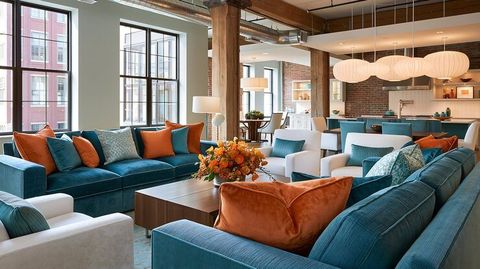
Modern Home Design: Furniture Styles & Cost Detail
Modern home design demands balance between clean aesthetics and everyday durability.
Selecting the right pieces avoids costly replacements and visual clutter. Understanding core furniture styles, material lifespans, and realistic budget tiers simplifies your purchasing process. Matching silhouettes to room proportions creates an intentional, functional layout.
Compare style categories, evaluate upholstery and frame construction, and align your spending with long-term household needs before ordering.
Core Modern Furniture Styles
Modern interiors rely on uncluttered lines, neutral palettes, and purposeful materials. Each sub-style brings distinct visual weight and price expectations to a room.
Mid-Century Modern
Mid-century modern pieces feature tapered wooden legs, organic curves, and warm walnut or teak finishes. These designs work well in compact living rooms because raised frames keep floor space visible. Authentic hardwood versions command higher prices, while engineered wood alternatives offer lower entry costs.
Minimalist Contemporary
Minimalist contemporary furniture emphasizes low-profile seating, monochromatic fabrics, and hidden storage. Clean geometric forms eliminate decorative trim, making rooms feel larger and calmer. Buyers often pair matte metal accents with bouclé or performance linen upholstery for subtle texture.
Scandinavian Modern
Scandinavian design prioritizes light-toned woods like ash and white oak alongside soft, functional textiles. Comfort and natural light reflection drive every piece, from slatted bed frames to modular shelving. This style remains popular among buyers seeking approachable warmth without heavy visual bulk.
Industrial Modern
Industrial furniture blends raw steel frames, distressed leather, and reclaimed timber surfaces. Exposed hardware and sturdy joinery make these pieces exceptionally resilient in high-traffic homes. The heavier visual profile suits open-concept lofts and spacious dining areas.
Modern Furniture Pricing and Budget Tiers
Modern home furniture pricing depends heavily on frame joinery, cushion density, and surface finishes. Understanding how retailers structure their tiers prevents overpaying for aesthetics while underbuying on structural longevity.
| Budget Tier | Frame Material | Upholstery / Finish | Typical Lifespan |
| Entry Level | Particleboard / MDF | Polyester / Veneer | 2 to 4 years |
| Mid-Range | Kiln-Dried Hardwood | Performance Fabric | 7 to 12 years |
| Luxury / Custom | Solid Timber / Steel | Full-Grain Leather | 15+ years |
Entry-level pieces keep upfront costs low for temporary apartments or guest rooms. However, staple-joined frames and low-density foam cushions tend to sag quickly under daily family use.
Mid-range modern furniture packages offer the strongest value for primary residences. Kiln-dried hardwood frames resist warping, while stain-resistant performance weaves handle spills and pet wear effectively.
Luxury and custom furniture involves hand-rubbed finishes, eight-way hand-tied springs, and tailored dimensions. Buyers investing at this level gain heirloom durability and bespoke proportions tailored to specific architectural layouts.
Key Factors That Drive Furniture Costs
Beyond brand labels, specific manufacturing choices dictate final retail prices. Evaluating these structural elements helps you allocate your budget where durability matters most.
Joinery construction: Mortise-and-tenon or corner-blocked wood joints outperform glued or stapled connections over time.
Cushion fill composition: High-resilience foam wrapped in down or fiber maintains its crisp modern shape without constant fluffing.
Surface veneers versus solid wood: Thick architectural wood veneers over stable plywood cores resist seasonal cracking better than thin solid boards in humid climates.
Upholstery rub count: Fabrics rated above 30,000 double rubs withstand daily abrasion in busy living rooms.
Shipping and white-glove delivery: Oversized modern sectionals and stone dining tables often incur substantial freight charges beyond the base sticker price.
How to Plan a Room-by-Room Furniture Budget
Allocating funds strategically ensures anchor pieces receive adequate investment while accent items stay flexible. Focusing on high-contact items first delivers immediate comfort and functional value.
Living Room Anchor Pieces
Your sofa and primary lounge chairs absorb the highest daily wear, justifying roughly half of a living room budget. Prioritize deep seating, durable upholstery, and a timeless frame silhouette over trendy accent colors. Coffee tables and media consoles can utilize lower-cost metal or veneer constructions since they bear less structural stress.
Dining Area Essentials
A modern dining table requires a scratch-resistant surface such as tempered glass, ceramic, or sealed hardwood. Dining chairs experience frequent movement, so inspect leg stability and backrest support carefully before purchasing a full set.
Bedroom Foundations
Platform beds eliminate the need for box springs, streamlining both room height and total cost. Invest in a solid wood or reinforced steel bed frame to prevent squeaking, then balance expenses with simpler nightstands and dressers.
Common Buyer Mistakes in Modern Home Design
Even well-researched shoppers make avoidable errors when furnishing a modern space. Recognizing these pitfalls protects your budget and preserves visual harmony.
Buying an entire matching showroom set often creates a flat, uninspired interior. Mixing complementary wood tones and contrasting textures produces a more curated, authentic modern look.
Ignoring doorway, elevator, and stairwell clearances leads to costly return fees on oversized modular sofas. Always measure narrow turns and ceiling heights alongside your floor plan dimensions before finalizing any order.
Overlooking maintenance requirements for delicate materials causes early frustration. Unsealed marble stains easily from acidic drinks, and untreated light fabrics show wear rapidly without protective treatments.
Frequently Asked Questions
How much should I budget to furnish a modern living room?
A complete modern living room typically ranges from moderate mid-range investments for durable essentials to significantly higher budgets for custom hardwood and leather pieces. Allocating the largest share to your primary sofa ensures long-term comfort and structural reliability.
What is the most durable upholstery for modern family homes?
Tightly woven synthetic performance fabrics, such as solution-dyed acrylic or polyester blends, offer superior stain and abrasion resistance. Full-grain aniline or semi-aniline leather also ages gracefully while wiping clean easily.
Is solid wood always better than wood veneer in modern furniture?
Solid wood offers superior repairability against deep scratches and dents over decades of use. However, high-grade hardwood veneer bonded to furniture-grade plywood provides greater dimensional stability and resists warping in fluctuating indoor humidity.
How do I mix different modern furniture styles without clashing?
Maintain a consistent color palette and repeat similar material accents, such as matte black metal or warm oak, across different pieces. Keeping furniture heights and visual proportions balanced unifies distinct silhouettes naturally.
Conclusion
Successful modern home design balances clean visual lines with proven structural quality. By comparing distinct style categories and understanding what drives material costs, you can prioritize spending on high-use anchor pieces while saving on accents.
Measure your space carefully, verify frame and fabric specifications, and evaluate mid-range versus custom tiers against your timeline. Thoughtful planning turns modern furniture shopping into a lasting investment in daily comfort.

Related Post...

Bathroom Grab Bar Structural Anchoring Discover Secure Installation Methods
Updated: July 18, 2026
Read More

Read About Luxury Mattresses: Structure, Comfort Balance, and Sleep Support
Updated: May 26, 2026
Read More