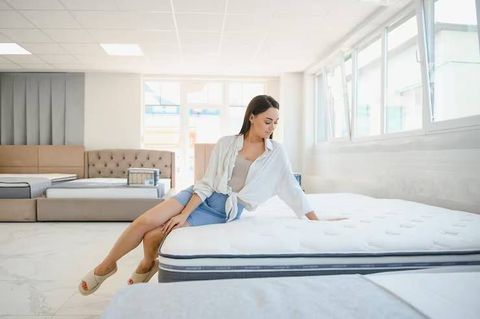
Luxury Mattresses: Materials, Prices & How to Choose
Choosing luxury mattresses requires looking past showroom marketing.
True high-end sleep systems rely on dense natural fibers, responsive support cores, and reinforced edge construction rather than thick layers of basic synthetic foam.
Understanding how material grades affect both spinal alignment and lifespan helps buyers separate genuine craftsmanship from inflated brand markups. Evaluating construction specifications before comparing retail price tags prevents costly post-purchase regret.
Comparing core materials, realistic budget brackets, and vendor trial terms ensures your investment delivers consistent comfort for a decade or longer.
Core Materials Used in Luxury Mattresses
The internal build of a high-end mattress dictates pressure relief, airflow, and structural longevity. Most premium models combine specialized comfort layers with heavy-duty support cores to balance cushioning and spinal support.
Natural Latex
Natural Talalay and Dunlop latex offer buoyant, responsive pressure relief without the sinking sensation of traditional memory foam. Derived from rubber tree sap, high-grade latex resists body impressions, regulates heat efficiently, and naturally deters dust mites and mold.
Pocketed Microcoils and Zoned Innersprings
Luxury hybrid and innerspring beds utilize individually wrapped coils made from tempered high-carbon steel. Zoned coil systems place firmer springs beneath the lumbar region and softer coils under the shoulders to maintain neutral spine posture across different sleep positions.
Organic Wool, Cotton, and Cashmere
Artisanal mattresses frequently incorporate quilted layers of organic wool, long-staple cotton, horsehair, or cashmere near the sleep surface. These breathable natural fibers wick away moisture, provide natural temperature regulation, and act as a chemical-free fire barrier.
High-Density Memory Foam
When memory foam appears in luxury builds, it features open-cell structures, gel or copper infusions, and densities exceeding four pounds per cubic foot. Higher foam density slows material breakdown and delivers deeper contouring for side sleepers with joint sensitivity.
Luxury Mattress Types and Performance Comparison
Different luxury mattress constructions serve distinct sleep styles and climate preferences. Comparing their structural trade-offs clarifies which build aligns best with your daily comfort needs.
| Mattress Type | Primary Benefit | Cooling Performance | Typical Lifespan |
| Luxury Hybrid | Balanced bounce and contour | High airflow | 8 to 10 years |
| Natural Latex | Buoyant support and durability | Very breathable | 10 to 15 years |
| Artisanal Innerspring | Firm, traditional lift | Maximum airflow | 10 to 12 years |
| High-Density Foam | Deep motion isolation | Moderate cooling | 7 to 9 years |
Luxury Mattress Prices and Cost Breakdown
Luxury mattress prices for a queen size typically range from 2,500 to over 10,000 dollars, depending on material sourcing and assembly methods. Understanding what drives these tiers helps buyers allocate their budget effectively.
Entry Luxury Tier (2,500 to 4,000 Dollars)
Models in this bracket generally feature zoned pocketed coils paired with certified organic latex or high-density specialty foams. Buyers receive reliable edge support, solid temperature control, and durable quilted covers without paying for hand-tufted exotic fibers.
Mid-Tier Luxury (4,000 to 7,000 Dollars)
This segment introduces thicker comfort profiles, dual-coil microcoil layers, and higher volumes of organic wool or cashmere. Many brands in this range include white-glove delivery, old mattress removal, and extended structural warranties.
Bespoke and Artisanal Tier (7,000 Dollars and Above)
Ultra-luxury beds are often hand-tufted by master craftspeople using materials like horsetail hair, virgin lambswool, and custom-calibrated coil tensions. While the craftsmanship is exceptional, comfort gains above 7,000 dollars become increasingly subtle for the average sleeper.
How to Choose the Right Luxury Mattress
Selecting the right high-end bed requires matching physical construction specs to your body weight, sleep posture, and household habits.
Match Firmness to Sleep Position and Body Weight
Side sleepers generally need plush to medium-soft top layers to cushion hips and shoulders without creating pressure points. Back and stomach sleepers require medium-firm to firm lumbar support so the midsection does not sag out of alignment. Heavier individuals benefit from thicker coil gauges and firmer latex bases to prevent premature bottoming out.
Verify Material Certifications and Density Specs
Reputable luxury mattress brands disclose exact coil counts, foam densities, and third-party material certifications. Look for verified standards covering organic textiles, organic latex, and low-emission foams rather than relying on vague eco-friendly marketing labels.
Evaluate Edge Support and Motion Isolation
Couples should check for reinforced perimeter coils or high-density foam rails that prevent roll-off near the edges. Pocketed coil designs and dense latex layers also absorb movement, ensuring one partner shifting at night does not disturb the other.
Review Sleep Trials, Return Fees, and Warranty Terms
A high price tag does not guarantee a mattress will suit your body once you sleep on it at home. Confirm that the brand offers at least a 100-night home trial, and check whether returns carry restocking or pickup fees.
Common Mistakes When Buying High-End Beds
Even well-researched shoppers can overpay or choose an uncomfortable model when focusing on the wrong indicators.
Confusing showroom plushness with long-term support, as overly soft pillow tops often lose loft within a few years.
Paying a premium solely for designer brand names when identical coil and latex specifications are available from direct-to-consumer makers.
Overlooking foundation requirements, since heavy luxury mattresses often require rigid slatted bases or matching box springs to maintain warranty coverage.
Ignoring return logistics, particularly with bespoke or custom-sized orders that may be final sale once manufactured.
Frequently Asked Questions
How long should a luxury mattress last?
A well-constructed luxury mattress typically lasts between 8 and 15 years depending on its core materials. Natural latex and hand-tufted innerspring models generally outlast foam-heavy designs because their resilient cores resist permanent body impressions.
Are luxury mattresses worth the higher price?
Luxury mattresses are worth the investment if you prioritize durable natural materials, targeted spinal support, and cooler sleep temperatures. Buyers who simply want basic cushioning can often find satisfactory comfort in mid-range beds without paying for artisanal fibers.
What is the best luxury mattress material for hot sleepers?
Artisanal innerspring and natural latex mattresses sleep the coolest due to their open airflow channels and breathable wool or cotton covers. Dense memory foam retains more body heat even when infused with cooling gels or phase-change coatings.
Do luxury mattresses require a special foundation?
Most luxury mattresses require a solid platform bed or a foundation with sturdy slats spaced no more than three inches apart. Using a worn box spring or wide-spaced slats can cause uneven sagging and void the manufacturer warranty.
Conclusion
Choosing among luxury mattresses comes down to verifying internal material quality rather than trusting showroom aesthetics or brand prestige. Prioritizing high-density natural latex, zoned tempered coils, and breathable organic fibers ensures better spinal alignment and longer durability.
Compare transparent spec sheets across realistic budget tiers and confirm clear home trial terms before finalizing your purchase. Taking a methodical approach protects your investment and delivers restorative sleep night after night.

Related Post...

Read About Luxury Mattresses: Structure, Comfort Balance, and Sleep Support
Updated: May 26, 2026
Read More
High-Density Mobile Filing & Storage Furniture: Explore Space-Saving Designs
Updated: September 16, 2026
Read More
Bathroom Grab Bar Structural Anchoring Discover Secure Installation Methods
Updated: July 18, 2026
Read More