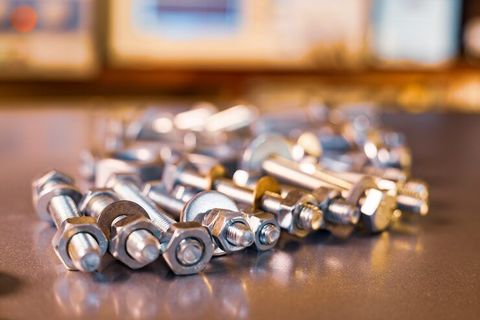
Industrial Fastener Resources for Smarter Material Selection
Selecting industrial fasteners involves more than matching a bolt or screw to a component.
Material compatibility, load requirements, environmental exposure, and installation conditions all influence how securely a connection performs over time. A poor selection can contribute to corrosion, loosening, premature failure, or unnecessary maintenance.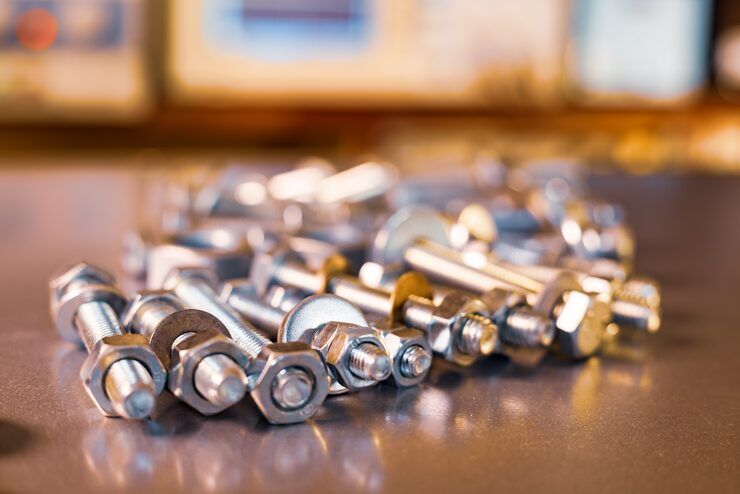
Manufacturers, engineers, procurement teams, and maintenance professionals rely on accurate technical information to evaluate fasteners for machinery, structural assemblies, production equipment, and other industrial applications. Material specifications and performance requirements can vary considerably, even among fasteners that appear similar.
Reliable industrial fastener resources help professionals understand these differences before selecting components. By evaluating material properties, standards, operating conditions, and supplier capabilities, businesses can make more informed decisions and improve the reliability of their assemblies.
Why Fastener Material Selection Matters
Industrial fasteners hold components together while withstanding forces, vibration, temperature changes, and environmental exposure. Their performance depends on the fastener material, geometry, strength class, surface treatment, and the materials being joined.
For example, a fastener suitable for indoor machinery may not perform adequately in a marine environment. Moisture and salt exposure can accelerate corrosion, while elevated temperatures can affect material strength and the suitability of certain coatings.
Material selection also influences installation requirements and maintenance planning. Engineers must consider the complete joint rather than choosing a fastener based on strength or appearance alone.
Understanding Common Industrial Fastener Materials
Different materials offer distinct combinations of strength, corrosion resistance, temperature tolerance, and fabrication characteristics. Understanding these differences helps narrow the selection to options appropriate for the application.
Carbon Steel and Alloy Steel
Carbon steel fasteners are widely used in machinery, equipment assemblies, construction, and general industrial manufacturing. Their mechanical properties vary according to material composition, heat treatment, and fastener grade.
Alloy steel fasteners can provide higher strength or other tailored mechanical properties when properly manufactured and heat-treated. However, higher strength does not automatically mean better corrosion resistance. Protective coatings and environmental conditions must also be considered.
Stainless Steel
Stainless steel fasteners are useful where corrosion resistance is important, including food-processing equipment, outdoor installations, and certain chemical-processing environments. Their performance depends on the specific alloy and the conditions surrounding the joint.
Different stainless steel grades offer different levels of resistance to corrosion. Chloride exposure, crevices, temperature, and contact with dissimilar metals can influence performance. Stainless steel fasteners should therefore be selected according to the actual environment rather than the assumption that all stainless grades provide equivalent protection.
Aluminum and Specialty Alloys
Aluminum fasteners can be appropriate for applications where reducing weight is important. Their mechanical properties differ from those of steel, so engineers must evaluate strength, thread performance, and compatibility with the assembled components.
Specialty alloys, including certain nickel-based alloys, may be suitable for demanding temperature or corrosive environments. These materials require application-specific evaluation because their properties, availability, and fabrication requirements vary.
Match Fastener Properties to Operating Conditions
Material selection should begin with the conditions the fastener must withstand. A component that performs well in a controlled factory environment may require a different specification when exposed to outdoor weather, chemicals, vibration, or repeated thermal cycling.
Load and strength requirements determine the mechanical properties needed for the joint. Engineers should consider tensile loads, shear forces, fatigue, preload, and the consequences of joint failure. The specified fastener grade and installation method must be compatible with the assembly design.
Corrosion and chemical exposure influence the choice of base material and protective finish. Coatings may improve corrosion resistance, but their effectiveness depends on the environment, coating integrity, and maintenance conditions.
Temperature and vibration introduce additional considerations. Temperature changes can affect joint preload, while vibration may contribute to loosening in assemblies that are not designed and installed appropriately. Fastener selection should account for the entire operating cycle.
Use Standards and Specifications to Verify Suitability
Industrial fastener standards help establish consistent requirements for dimensions, mechanical properties, materials, and testing. They also help engineers and procurement teams communicate specifications accurately across manufacturers and suppliers.
Depending on the application, relevant standards may include ISO fastener standards, ASTM material and testing specifications, and SAE requirements for certain industrial or automotive applications. The appropriate standard depends on the fastener type, intended use, and governing engineering requirements.
A specification should identify more than a general material description. It may need to define dimensions, thread form, strength class, material grade, coating, applicable standard, and required inspection or certification documents.
Procurement teams should confirm that supplier documentation matches the specified component. Material test reports and certificates can support traceability when required, but their availability and scope should be verified rather than assumed.
Evaluate Coatings, Threads, and Material Compatibility
The fastener's base material is only one part of its performance. Surface treatments, thread characteristics, and interactions with connected components can affect corrosion resistance, installation, and joint reliability.
Protective finishes may include zinc-based coatings, specialized industrial coatings, or other treatments selected for a particular environment. The choice should account for exposure conditions, coating thickness, wear, and any applicable restrictions.
Thread compatibility is equally important. Incorrect thread pitch, diameter, or thread form can prevent proper engagement and compromise the connection. Engineers should verify dimensional requirements and use the correct mating components.
Dissimilar metals can also create galvanic corrosion under suitable environmental conditions. This is particularly relevant when conductive metals contact one another in the presence of moisture or an electrolyte. Material combinations and isolation methods may need evaluation during design.
How to Evaluate Industrial Fastener Suppliers
Selecting a suitable supplier involves more than checking product availability. Businesses need confidence that supplied components match the required specifications and can be delivered consistently.
Evaluate potential suppliers using criteria such as:
- Technical documentation: Confirm that product specifications, applicable standards, and material information are available.
- Quality assurance: Understand inspection procedures, traceability capabilities, and relevant quality-management practices.
- Product range: Check whether the supplier can support the required dimensions, materials, grades, coatings, and special configurations.
- Application support: Determine whether technical staff can clarify specification questions and identify compatibility concerns.
- Supply continuity: Assess production capacity, inventory arrangements, lead-time reliability, and the ability to maintain consistent specifications.
For critical assemblies, request documentation appropriate to the engineering requirements before approving a component. Samples or qualification testing may also be necessary when introducing a new material, finish, or supplier.
The most suitable supplier is not necessarily the one with the widest catalogue. Technical consistency, reliable documentation, and the ability to meet the application requirements are often more important.
Practical Resources for Better Fastener Decisions
Useful industrial fastener resources include engineering drawings, manufacturer datasheets, standards documentation, material compatibility references, corrosion guidance, and installation specifications. Each resource answers a different question, so using them together produces a more complete assessment.
Manufacturer datasheets help verify dimensions, material grades, mechanical properties, and available finishes. Standards documentation clarifies the requirements associated with a particular specification, while engineering calculations determine whether a fastener is suitable for the expected loads.
For complex applications, engineers may also need corrosion assessments, fatigue analysis, torque guidance, or specialist testing. General selection charts are useful for preliminary comparisons, but they should not replace application-specific engineering when failure could create significant safety or operational consequences.
A structured review process can reduce specification errors. Start by defining the operating environment and loads, identify the required standard and material properties, verify compatibility with the joined components, and confirm that the selected supplier can provide the necessary documentation.
Frequently Asked Questions
Which material is suitable for industrial fasteners?
The appropriate material depends on load requirements, corrosion exposure, temperature, and compatibility with connected components. Carbon steel, alloy steel, stainless steel, aluminum, and specialty alloys each suit different applications.
Are stainless steel fasteners always corrosion-resistant?
No. Corrosion resistance varies by stainless steel grade and environment. Chlorides, chemicals, temperature, and contact with dissimilar metals can affect performance.
Why do industrial fasteners need standardized specifications?
Standards help define dimensions, material requirements, mechanical properties, and testing methods. They reduce ambiguity and support consistent purchasing, manufacturing, and quality verification.
What should businesses check before selecting a fastener supplier?
Review technical documentation, quality controls, traceability, product availability, application support, and the supplier's ability to meet the required specifications consistently.
Conclusion
Smarter industrial fastener selection begins with a clear understanding of material properties, operating conditions, standards, and assembly requirements. No single material or finish is appropriate for every application.
By using reliable technical resources, verifying specifications, and evaluating supplier capabilities, engineers and procurement teams can reduce compatibility problems and improve joint reliability. The strongest selection process is one that matches the fastener to the actual application rather than relying on general assumptions or material labels alone.

Related Post...
Factory Line Manufacturing Automation: Explore Modern Production Systems
Updated: October 06, 2026
Read More
Specialized Laboratory Diagnostics Automation: Explore Modern Testing Workflows
Updated: October 01, 2026
Read More
High-Volume Industrial PCB Assembly Plants: Discover Automated Assembly Processes
Updated: October 06, 2026
Read More