Portable Oxygen Concentrator Rental Guide to Choosing the Right Device
Portable oxygen concentrators can make prescribed oxygen therapy more manageable for people who need supplemental oxygen while traveling, attending appointments, or maintaining everyday routines. Unlike traditional oxygen cylinders, these devices draw in surrounding air and separate oxygen from other gases to provide concentrated oxygen for breathing.
A portable oxygen concentrator rental may be useful when a person needs temporary access to oxygen equipment, is traveling, or wants to use a device for a limited period. The right choice, however, depends on more than physical size or convenience. Oxygen delivery characteristics, prescription requirements, battery performance, and operating conditions all matter.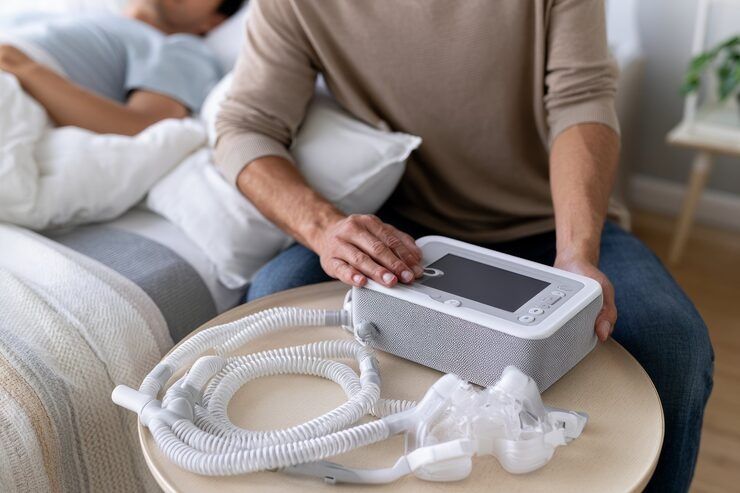
Understanding these factors makes it easier to evaluate different portable concentrators and determine whether a particular device is appropriate for the prescribed therapy. Medical guidance should remain the starting point, especially because portable oxygen systems differ in how they deliver oxygen.
How a Portable Oxygen Concentrator Works
A portable oxygen concentrator, commonly called a POC, uses a compressor and molecular sieve system to draw in room air. The device removes much of the nitrogen while concentrating the oxygen for delivery to the user.
Most POCs are designed around one of two oxygen delivery approaches: continuous flow or pulse-dose delivery. Continuous-flow systems provide oxygen at a steady rate, while pulse-dose devices detect inhalation and deliver oxygen during the breathing cycle.
This distinction is important because a person's oxygen prescription and breathing pattern determine whether a particular delivery method is appropriate. A device that appears convenient may not provide the prescribed oxygen therapy in the required manner.
Start With the Oxygen Prescription
The most important consideration when evaluating a portable oxygen concentrator is the prescribed oxygen requirement. Oxygen therapy should be used according to guidance from a qualified healthcare professional rather than selected solely according to convenience.
A prescription may specify an oxygen flow rate, delivery mode, duration of use, or circumstances in which oxygen should be used. Some individuals may require different oxygen settings during rest, physical activity, or sleep.
Before arranging equipment access, confirm:
- Required oxygen flow or prescribed setting
- Continuous-flow or pulse-dose requirements
- Expected daily usage duration
- Whether oxygen is needed during sleep
- Any specific device restrictions from the healthcare provider
A rental provider may have several models available, but equipment availability should never determine the medical prescription.
Understanding Continuous Flow and Pulse Dose
The difference between oxygen delivery modes can significantly affect device selection.
Continuous-flow concentrators deliver oxygen at a specified rate regardless of whether the user is actively inhaling. They may be appropriate when a continuous oxygen supply is medically prescribed, including certain situations involving sleep.
Pulse-dose concentrators detect an inhalation and release a measured oxygen pulse. This approach can reduce oxygen consumption and may allow a smaller device to operate longer on its battery.
However, pulse-dose settings are not necessarily equivalent to continuous-flow settings. A setting labeled with a particular number should not automatically be interpreted as providing the same oxygen delivery as the equivalent continuous-flow rate.
Portability and Everyday Mobility
The main advantage of a portable concentrator is mobility, but portability involves several factors beyond weight.
A compact device may be easier to carry through airports, medical facilities, shopping areas, or public spaces. The shape of the unit, carrying handle, shoulder strap, wheeled case, and control layout can also affect everyday usability.
Noise is another practical consideration. Some users may spend significant periods near the concentrator, making the operating sound relevant in homes, hotels, or other quiet environments.
The best portable design is therefore not necessarily the smallest one. A slightly larger device may provide capabilities that better match an individual's oxygen requirements and routine.
Battery Life and Power Options
Battery performance can determine how practical a portable oxygen concentrator is away from a wall outlet.
Operating time varies according to the device, oxygen setting, battery capacity, and usage pattern. Higher oxygen demands can affect how long a battery lasts between charges.
A useful evaluation should consider the complete power arrangement rather than battery capacity alone. This may include:
- Standard battery configuration
- Additional battery availability
- AC power operation
- DC vehicle power capability
- Charging time
- Battery replacement procedures
For travel, having a clear power plan is particularly important. The expected time away from reliable electrical access should be matched with realistic battery capacity and backup arrangements.
Weight, Accessories, and Travel Practicality
The device itself is only part of the equipment users may need to carry. Batteries, chargers, carrying cases, and other accessories can increase the overall load.
For someone who frequently travels between locations, those additional items can have a meaningful effect on convenience. A concentrator with a practical carrying system may be easier to manage than a lighter model with awkward accessories.
Travel conditions also matter. Users should consider whether the device can be transported safely, how it is protected during movement, and whether its operating instructions address common travel situations.
Air travel may involve additional requirements, so travelers should verify current airline policies and equipment requirements before departure.
Reliability, Maintenance, and Equipment Condition
When using rented medical equipment, condition and maintenance deserve careful attention. A concentrator should be clean, functional, and accompanied by the appropriate operating instructions and accessories.
Users should understand how filters, tubing, batteries, and other user-maintained elements are handled. Depending on the model, certain components may require inspection or replacement after a specified period of operation.
A rental arrangement should also make clear what happens if the equipment develops a problem. Knowing how technical support, equipment replacement, and urgent assistance are handled can provide important practical reassurance.
Evaluating the Rental Arrangement
The device is only one part of a rental decision. The terms surrounding equipment access can influence the overall experience just as much.
Before accepting a rental arrangement, review the included accessories, expected equipment condition, support process, and return requirements. Confirm that the model provided matches the prescribed oxygen delivery method and settings.
It is also useful to determine whether the equipment has been checked before dispatch and whether instructions are provided for normal operation, charging, cleaning, and troubleshooting.
A clear understanding of these details helps prevent avoidable problems after the equipment arrives.
Using Portable Oxygen Safely
Oxygen supports combustion, so appropriate safety precautions are essential. Oxygen equipment should be kept away from smoking, open flames, sparks, and other ignition sources.
Users should follow the manufacturer's operating instructions and healthcare provider's guidance. Oxygen settings should not be changed independently simply because a different setting seems more comfortable.
The concentrator should also have adequate airflow around its vents. Blocking ventilation openings can interfere with normal operation and may cause the equipment to overheat.
For any uncertainty about prescribed oxygen levels, symptoms, or changes in therapy, a healthcare professional should be consulted.
Common Mistakes When Choosing a Portable Concentrator
One common mistake is selecting a device based primarily on size or battery capacity. Those characteristics matter, but they do not determine whether the concentrator can meet a person's prescribed oxygen requirements.
Another mistake is assuming that pulse-dose and continuous-flow settings are interchangeable. They are different delivery methods, and suitability depends on the individual and the prescription.
Choosing equipment without considering nighttime use, travel duration, or power availability can also create practical problems. A good evaluation looks at the complete pattern of use rather than a single specification.
Frequently Asked Questions
How do I know which portable oxygen concentrator is appropriate?
The appropriate device depends primarily on the prescribed oxygen requirement and delivery method. A healthcare professional should determine the required therapy, after which equipment specifications can be compared against that prescription.
Can a portable oxygen concentrator be used during sleep?
Some models are designed for certain nighttime applications, but suitability depends on the prescribed oxygen therapy and the device's delivery system. Pulse-dose operation may not be appropriate for every sleeping user.
Is pulse-dose oxygen the same as continuous-flow oxygen?
No. Pulse-dose systems deliver oxygen in response to detected inhalation, while continuous-flow systems provide a steady oxygen stream. Their settings should not be treated as directly equivalent.
What should I check before arranging a rental?
Check that the device matches the prescribed oxygen delivery method and settings. Also review battery requirements, included accessories, equipment condition, operating instructions, technical support, and travel considerations.
Can I take a portable oxygen concentrator on an airplane?
Some portable concentrators are permitted for air travel, but airline rules and documentation requirements can vary. Travelers should verify the current requirements of the airline and ensure the specific device meets applicable policies before flying.
Conclusion
A portable oxygen concentrator rental should be evaluated as a medical equipment decision rather than simply a portability decision. The most important factors include the prescribed oxygen requirement, delivery method, battery performance, physical design, power options, equipment condition, and available support.
A carefully matched device can make prescribed oxygen therapy more manageable across everyday activities and travel. The safest approach is to begin with the healthcare provider's requirements, then compare portable concentrator features and rental arrangements against those needs rather than choosing based on convenience alone.

Related Post...

Steel Grade Composition: Explore How Finish Affects Material Strength
Updated: August 22, 2026
Read More
LED Lighting Guide to Types, Applications, and Energy Efficiency
Updated: September 04, 2026
Read More
Portable Oxygen Concentrator Rental Guide to Choosing the Right Device
Updated: September 09, 2026
Read More