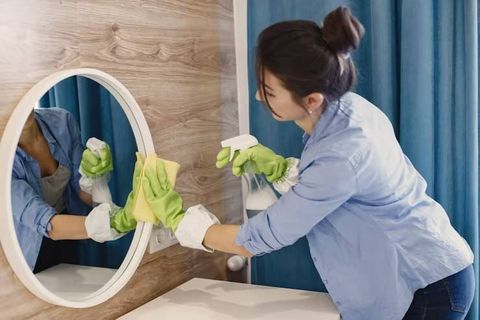
Home Cleaning Advice for a Spotless and Organized Living Space
A clean home is easier to enjoy when everyday mess, dust, and clutter stay under control.
However, keeping every room spotless can become difficult when household responsibilities compete with work, family time, and other commitments.
Effective home cleaning involves more than wiping surfaces or vacuuming floors. Choosing suitable cleaning products, following an efficient routine, and understanding how different materials should be maintained can make household tasks more manageable.
With a practical approach, homeowners can maintain cleaner rooms, protect household surfaces, and decide when specialized equipment or professional cleaning services may be worthwhile. Small, consistent habits often make a greater difference than occasional, exhausting cleaning sessions.
Build a Cleaning Routine That Fits Your Home
A manageable cleaning routine prevents dirt and clutter from accumulating until they require hours of work. Rather than cleaning every room thoroughly each day, divide tasks according to how frequently each area becomes dirty.
Kitchen counters, bathroom sinks, and frequently used floors may need regular attention. Windows, curtains, ceiling fans, and storage areas generally require less frequent cleaning, depending on household conditions.
A simple routine can include daily surface maintenance, weekly room cleaning, and periodic deep cleaning. Adjust the schedule for pets, children, allergies, household size, and the amount of activity in each room.
It also helps to clean from top to bottom. Dust shelves, ceiling fans, and other elevated surfaces before cleaning furniture and floors. This prevents falling dust from settling on areas that have already been cleaned.
Choose Cleaning Products According to the Surface
Different materials respond differently to cleaning agents. A product that works well on ceramic tiles may damage natural stone, delicate finishes, or certain fabrics.
For everyday household maintenance, a useful selection of supplies includes microfiber cloths, a suitable floor mop, a vacuum cleaner, scrub brushes, and a general-purpose cleaner compatible with the surfaces being cleaned.
Specialized products may be necessary for glass, upholstery, stainless steel, or mineral deposits. However, purchasing numerous overlapping products can create unnecessary expense and storage problems.
Before using a new cleaning product, read its label and test it on an inconspicuous area when appropriate. Follow the recommended dilution, contact time, ventilation, and protective equipment instructions.
Never mix cleaning chemicals. In particular, mixing bleach with ammonia or acidic cleaners can release dangerous gases. Store products in their original containers and keep them away from children and pets.
Keep Kitchens and Bathrooms Hygienic
Kitchens and bathrooms often need more frequent cleaning because they experience moisture, food residue, grease, and repeated contact with hands.
In kitchens, wipe food-preparation surfaces after use, clean spills promptly, and remove grease before it builds up. Pay attention to appliance handles, sink fixtures, cabinet fronts, and areas around cooking equipment.
Use cleaning products appropriate for food-contact surfaces, following label directions for rinsing when required. Keep cleaning cloths clean and allow reusable equipment to dry properly between uses.
Bathrooms benefit from regular attention to sinks, toilets, showers, taps, and frequently touched surfaces. Soap residue and mineral deposits can become harder to remove when left unattended.
Good ventilation also helps control excess moisture. Repair persistent leaks when possible, dry wet surfaces, and address recurring mold rather than simply covering visible discoloration with a cleaning product.
For stubborn buildup or extensive contamination, a suitable specialist cleaner or professional service may be more effective than repeated scrubbing with an inappropriate product.
Maintain Floors, Furniture, and Upholstery
Floor cleaning methods should match the material. Ceramic tiles, sealed hardwood, laminate, stone, and carpets have different moisture tolerances and maintenance requirements.
Vacuum or sweep loose dirt before mopping. Grit can scratch certain surfaces, while excess water may damage wood flooring, laminate joints, and some furniture finishes.
For carpets and upholstered furniture, regular vacuuming helps remove dust, crumbs, and loose debris. Treat spills promptly using a method approved for the fabric, avoiding excessive moisture that can leave stains or encourage odor development.
Furniture also benefits from simple preventative habits. Use appropriate protective pads beneath frequently moved items, remove dust with suitable cloths, and follow manufacturer instructions for leather, wood, and specialty finishes.
If stains persist, fabric care labels are unclear, or delicate materials are involved, professional upholstery or carpet cleaning may reduce the risk of accidental damage.
Organize Cleaning Supplies and Reduce Clutter
Cleaning becomes more efficient when supplies are easy to locate and household items have designated storage places. Searching for equipment or moving piles of belongings repeatedly can consume time that would otherwise be spent cleaning.
Store frequently used supplies together in a secure, ventilated location. Keep chemicals separate from food, follow storage instructions, and avoid transferring cleaners into unmarked containers.
Decluttering also makes routine maintenance easier. Clear countertops, organized cupboards, and accessible floors leave fewer obstacles to dusting, wiping, and vacuuming.
A practical approach is to return items to their designated places after use and periodically review belongings that no longer serve a purpose. Storage baskets, drawer dividers, and shelving can help when they address a specific organizational problem.
However, storage products are not a substitute for removing unnecessary clutter. Buying additional organizers before understanding what needs storing can create more objects to maintain without resolving the underlying problem.
When Are Professional Home Cleaning Services Worth Considering?
Professional home cleaning can be useful when household schedules are demanding, cleaning tasks require specialized equipment, or a property needs more intensive attention than routine maintenance provides.
Several service categories address different requirements:
- Regular house cleaning: Routine dusting, vacuuming, mopping, and general surface maintenance.
- Deep cleaning: More detailed attention to accumulated grime and areas that receive less frequent cleaning.
- Move-in or move-out cleaning: Cleaning intended to prepare a property for occupancy, handover, or inspection.
- Carpet and upholstery cleaning: Specialized treatment for suitable fabrics and floor coverings.
- Post-renovation cleaning: Removal of construction-related dust and residue using appropriate methods and equipment.
The appropriate service depends on the property's condition, materials, and specific cleaning needs. A routine visit may be sufficient for a maintained home, while renovation residue or heavily soiled upholstery may require specialist equipment.
Before selecting a provider, clarify the scope of work, included tasks, excluded services, cleaning products, scheduling, and any additional charges. Ask how delicate surfaces are handled and whether the provider has appropriate insurance or relevant staff training.
Professional cleaning does not eliminate the need for everyday maintenance. Combining occasional specialist work with simple household routines can help keep a home manageable between appointments.
How to Make Cleaning More Efficient
Efficiency comes from reducing unnecessary effort rather than rushing through every task.
Start by gathering the supplies required for the room you intend to clean. Work systematically, complete similar tasks together, and avoid repeatedly moving between rooms for forgotten equipment.
A timer can help divide larger jobs into manageable sessions. For example, spend a short period clearing clutter, then focus on surfaces before moving to floors. The exact schedule should reflect the room's condition rather than an arbitrary deadline.
Choosing appropriate equipment also matters. A vacuum cleaner with suitable attachments can simplify cleaning around furniture, while a mop designed for the floor material can reduce excess moisture and effort.
If cleaning regularly feels overwhelming, reconsider the routine. Prioritize high-use areas, spread occasional tasks across the week, and seek assistance when necessary. A sustainable schedule is more useful than an ambitious routine that is difficult to maintain.
Frequently Asked Questions
How often should a home be cleaned?
Frequently used surfaces may need daily attention, while floors, bathrooms, and kitchens often benefit from regular weekly cleaning. Deep cleaning frequency depends on household activity, pets, moisture, and the condition of individual rooms.
Which cleaning supplies are essential for a home?
A suitable general-purpose cleaner, microfiber cloths, a mop, a vacuum cleaner, and basic scrubbing tools cover many everyday tasks. Additional products should be selected according to specific materials and cleaning requirements.
Is professional cleaning better than cleaning independently?
Neither option is universally better. Routine household cleaning can be handled independently, while professional services may be useful for deep cleaning, delicate upholstery, carpets, or time-consuming specialist tasks.
How can I clean without damaging household surfaces?
Check manufacturer care instructions, use compatible cleaning products, avoid excessive moisture, and test unfamiliar products in an inconspicuous area when appropriate. Never mix cleaning chemicals.
Conclusion
Maintaining a spotless and organized home depends on consistent routines, suitable cleaning products, thoughtful storage, and methods that match each surface. Prioritizing frequently used areas helps prevent everyday mess from becoming a larger task.
When specialized equipment or additional time is needed, professional cleaning services can complement regular household maintenance. The most effective approach is one that protects household materials, supports hygiene, and fits comfortably into everyday life.

Related Post...

New Homeowners Furniture Guide to Making Smart Choices for Every Room
Updated: September 04, 2026
Read More