Heavy Duty Truck Recovery Operators Guide to Safe Vehicle Recovery
Heavy duty truck breakdowns can disrupt transport schedules, block roads, and create serious safety risks, especially when a loaded commercial vehicle becomes immobilized in a difficult location.
Recovering these vehicles requires specialized equipment, trained operators, and careful planning rather than simply towing the truck away.
Heavy duty truck recovery operators support freight companies, fleet managers, roadside assistance providers, and commercial vehicle owners by responding to incidents involving trucks, tractor-trailers, buses, and other large vehicles. Their work may involve roadside breakdowns, collision recovery, vehicle extraction, and transporting disabled vehicles to suitable repair facilities.
Understanding how professional recovery works helps businesses evaluate service providers, prepare for roadside emergencies, and reduce avoidable risks. Equipment capability, operator training, recovery planning, and communication all influence whether a recovery operation can proceed safely and efficiently.
How Heavy Duty Truck Recovery Operations Work
Heavy duty truck recovery involves moving or stabilizing large commercial vehicles that cannot continue operating safely under their own power. The appropriate method depends on the vehicle's condition, gross weight, load, location, road surface, and nature of the incident.
A routine mechanical breakdown on a paved road may require a heavy-duty tow truck with suitable towing equipment. A loaded articulated truck that has left the road or become stuck on soft ground may require winching, specialized recovery equipment, or a coordinated multi-vehicle operation.
Professional operators typically begin by gathering information about the incident. They assess the vehicle type, visible damage, accessibility, traffic conditions, and potential hazards before deciding which equipment and personnel are required.
Recovery planning also considers the destination and the condition of the vehicle. A truck with damaged steering, compromised suspension, or suspected drivetrain problems may require a different transport arrangement from a vehicle that can safely roll onto a recovery system.
Choosing the Right Recovery Equipment
Recovery equipment must match the vehicle's weight, configuration, condition, and location. Selecting equipment based solely on the vehicle's size can create unnecessary risks when the actual recovery demands exceed its capabilities.
Heavy-Duty Tow Trucks and Rotators
Heavy-duty tow trucks are designed to recover and transport large vehicles using equipment such as underlifts, lifting systems, and appropriately rated towing assemblies. They are commonly used for disabled trucks and buses when the vehicle can be accessed and connected safely.
Rotator recovery trucks have rotating lifting booms that provide additional positioning flexibility. Depending on their configuration and rated capacity, they can help operators recover vehicles from difficult positions without requiring the recovery truck to align directly with the load.
A rotator is not automatically the right choice for every incident. Operators must consider the working radius, boom angle, load distribution, ground stability, and the manufacturer's load charts before lifting or repositioning a vehicle.
Winching and Vehicle Extraction
Winching can help recover trucks that are stuck in mud, sand, ditches, or other difficult terrain. The operator must assess the vehicle's condition, the intended direction of movement, anchor arrangements, and the capacity of the winch and associated equipment.
Recovery lines, connectors, snatch blocks, and anchor points must be appropriate for the planned operation. Damaged equipment, unsuitable attachment points, and uncontrolled changes in load direction can create serious hazards.
Vehicle extraction should never depend on improvised attachments or assumptions about how much force a component can withstand. Complex recoveries may require additional equipment, ground stabilization, or assistance from specialist recovery teams.
Safety Procedures During Commercial Truck Recovery
Safety is central to heavy vehicle recovery because operators often work near moving traffic, unstable loads, damaged vehicles, and equipment under tension.
The first priority is to establish a safe working area. Depending on the location and incident, this may involve traffic control, warning systems, appropriate personal protective equipment, and coordination with emergency services or road authorities.
Before recovery begins, the operator should assess vehicle stability, load security, potential fuel or fluid leaks, electrical hazards, and any damage that could affect lifting or towing. Vehicles carrying hazardous materials may require additional precautions and appropriately qualified personnel.
A clear recovery plan should identify the intended movement, equipment requirements, communication procedures, and responsibilities of everyone involved. Personnel must understand where they can safely stand and which areas must remain clear during lifting, winching, or repositioning.
Operators should follow equipment manufacturers' instructions and applicable workplace safety requirements. No one should stand in the potential path of a tensioned recovery line or beneath an unsupported load. If conditions change, the operation should be reassessed before continuing.
Factors That Affect Recovery Time and Service Requirements
Not every heavy-duty recovery incident requires the same level of response. A straightforward roadside breakdown may be resolved with one suitable recovery truck, while a rollover or deeply embedded vehicle can require several specialists and a more complex recovery plan.
The following factors commonly influence the operation:
Vehicle condition: Damaged steering, suspension, axles, or braking systems can complicate movement and loading.
Vehicle and load weight: The combined weight and its distribution affect equipment selection and recovery planning.
Location and access: Narrow roads, limited clearance, steep slopes, and soft ground may restrict equipment positioning.
Traffic and weather: Poor visibility, heavy traffic, rain, or unstable ground can increase operational risks.
Recovery destination: The vehicle may need transport to a workshop, secure holding facility, or another suitable location.
Fleet managers can improve response coordination by keeping vehicle dimensions, approximate operating weights, cargo information, location details, and breakdown symptoms available when contacting a recovery provider.
Accurate initial information helps the provider determine whether a standard heavy-duty tow truck is sufficient or a more specialized recovery unit is needed.
How to Evaluate Heavy Duty Truck Recovery Operators
Choosing a recovery provider involves more than finding a company with a large truck. Fleet operators should assess whether the provider has the equipment, technical competence, and operational procedures required for the particular vehicle and incident.
Relevant considerations include experience with similar commercial vehicles, operator training, equipment inspection practices, and the ability to handle difficult access conditions. For specialized incidents, ask whether the provider has suitable recovery capabilities or works with qualified specialist teams.
Equipment specifications should be checked against the actual job requirements. Rated capacity, towing configuration, lifting limits, and working-radius restrictions are more useful evaluation criteria than general claims about equipment size.
Availability and communication also matter. A provider should be able to explain its dispatch process, information requirements, expected response arrangements, and any circumstances that could affect the operation. Businesses operating across multiple regions may also need coordinated coverage and consistent service procedures.
Before entering a service agreement, fleet managers should clarify the scope of assistance, geographic coverage, escalation arrangements, documentation practices, and how additional recovery requirements are handled. This makes it easier to evaluate providers against operational needs rather than relying on broad marketing claims.
Preparing a Fleet for Recovery Emergencies
Recovery planning is more effective when it begins before a vehicle breaks down. Fleet managers can establish internal procedures that help drivers report incidents accurately and enable recovery operators to prepare appropriate equipment.
Drivers should know how to communicate their location, vehicle configuration, visible damage, traffic conditions, and any immediate safety concerns. They should also follow company procedures for securing the scene and contacting emergency services when necessary.
Fleet maintenance contributes to recovery preparedness as well. Routine inspections, timely repairs, and clear defect-reporting procedures can reduce preventable breakdowns, although they cannot eliminate every mechanical failure or road incident.
Businesses operating heavy commercial vehicles can maintain recovery-provider contact details, vehicle specifications, relevant cargo information, and escalation procedures in an accessible format. Reviewing these arrangements periodically helps identify gaps in coverage or communication before an emergency occurs.
Frequently Asked Questions
What vehicles can heavy duty truck recovery operators handle?
Depending on their equipment and qualifications, operators may recover heavy trucks, tractor-trailers, buses, coaches, and other large commercial vehicles. The specific vehicle weight, configuration, condition, and recovery environment determine which equipment is suitable.
When is a rotator recovery truck necessary?
A rotator may be useful when a vehicle is overturned, positioned awkwardly, or difficult to access with conventional recovery equipment. Its suitability depends on the required lifting capacity, working radius, ground conditions, and the recovery plan.
What information should a fleet manager provide when requesting recovery?
Provide the vehicle's location, type, approximate weight, condition, visible damage, accessibility, and relevant cargo details. Explain whether the vehicle is blocking traffic or presenting an immediate hazard so the provider can assess the required response.
How can businesses evaluate a recovery provider's capabilities?
Review relevant experience, operator training, equipment ratings, inspection procedures, geographic coverage, and emergency coordination arrangements. Confirm that the provider can handle the specific vehicle and recovery conditions involved.
Conclusion
Heavy duty truck recovery requires suitable equipment, competent operators, careful risk assessment, and clear communication. The safest recovery method depends on the vehicle, its condition, the surrounding environment, and the demands of the incident.
For fleet managers and commercial vehicle operators, selecting a capable recovery provider and maintaining a practical emergency plan can improve response coordination and reduce avoidable operational risks.

Related Post...

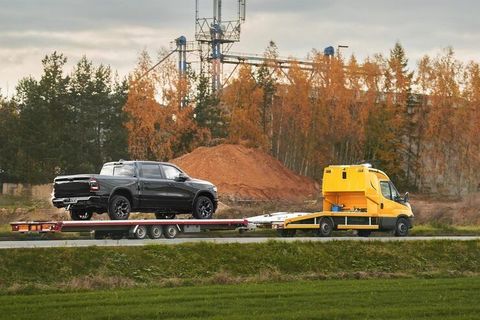
Heavy Duty Truck Recovery Operators Guide to Safe Vehicle Recovery
Updated: October 21, 2026
Read More
Mercedes-Maybach S-Class Explore Advanced Driving and Luxury Features
Updated: June 12, 2026
Read More
