Smart Meter Technology Explore Modern Energy Tracking Systems
Smart meter technology is rapidly transforming how homes, businesses, and utility providers monitor electricity consumption and energy distribution. Traditional meter systems once depended heavily on manual readings and delayed reporting cycles, but modern energy tracking systems now provide near real-time visibility into power usage patterns and infrastructure performance.
Many people don’t realize that smart meters represent more than digital replacements for old utility devices. These systems increasingly function as connected communication tools that support energy analytics, infrastructure monitoring, automated reporting, and demand management across large utility networks.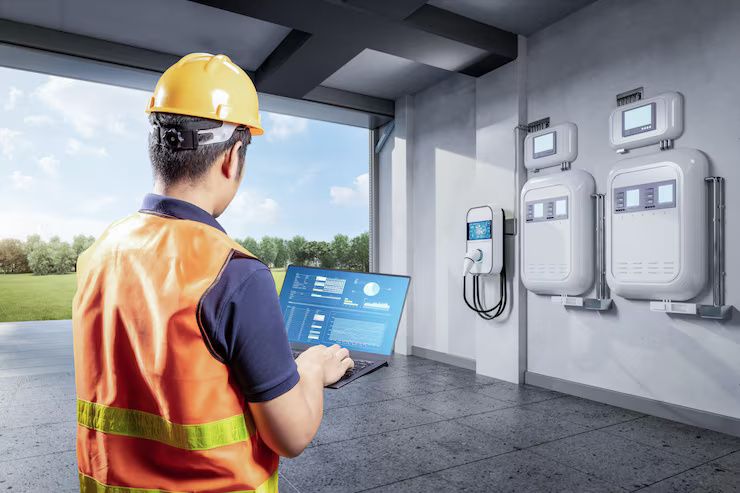
As energy consumption grows alongside electric vehicle adoption, renewable energy integration, and connected home systems, utility providers are investing heavily in advanced smart grid infrastructure. This smart meter technology guide explores how modern energy tracking systems operate, why industries compare different deployment models, and how smart monitoring systems continue reshaping energy management strategies worldwide.
Understanding Smart Meter Technology
Smart meter technology refers to digital utility monitoring systems designed to measure electricity, gas, or water usage while transmitting data electronically between consumers and utility providers.
This matters because traditional utility systems often relied on periodic manual readings, creating delays in billing visibility and infrastructure monitoring.
From a practical perspective, smart energy tracking systems may collect detailed usage data, monitor operational performance, identify outages, and support automated reporting processes.
For example, utility companies managing large urban power networks may use smart meter systems to monitor consumption spikes during peak demand periods or detect localized service interruptions more efficiently.
The real difference appears when connected energy infrastructure improves visibility across both customer usage patterns and broader utility operations.
Why Smart Energy Systems Continue Expanding
Energy infrastructure is becoming increasingly connected and data-driven.
One overlooked factor is demand variability. Electricity consumption patterns now fluctuate more dramatically due to electric vehicle charging, remote work environments, renewable energy systems, and smart home automation technologies.
For example, neighborhoods with high solar panel adoption may generate complex bidirectional energy flow patterns that traditional utility systems were not originally designed to manage.
Many people also underestimate the operational benefits of automated monitoring. Utility providers may identify infrastructure inefficiencies or outage risks faster through connected smart grid systems compared with older manual inspection models.
The real difference appears when smart meter technology supports both operational efficiency and long-term energy planning simultaneously.
Common Types of Smart Energy Monitoring Systems
Residential Smart Meter Systems
Residential smart meters focus on household energy tracking and automated utility reporting.
These systems matter because homeowners increasingly monitor energy usage patterns to understand seasonal consumption and appliance performance.
Commercial Energy Monitoring Platforms
Commercial systems often manage larger-scale energy analytics across offices, industrial facilities, or retail environments.
In many cases, these platforms tend to work well when businesses require operational visibility across multiple locations.
Smart Grid Infrastructure Systems
Smart grid monitoring systems integrate utility infrastructure, energy distribution networks, and connected meter communication technologies.
This structure becomes important when utility providers manage large regional power systems with fluctuating demand requirements.
Renewable Energy Tracking Systems
Renewable energy monitoring platforms track energy generation from solar, wind, or hybrid power systems.
Many people don’t realize that renewable integration increasingly requires advanced data coordination between distributed energy systems and centralized utility networks.
Comparing Smart Meter Technology Approaches
| System Type | Main Advantage | Best Fit | Trade-Off |
|---|---|---|---|
| Residential Smart Meters | Household visibility | Home energy tracking | Limited industrial analytics |
| Commercial Monitoring Systems | Multi-location analysis | Business operations | Higher infrastructure complexity |
| Smart Grid Systems | Utility-wide coordination | Regional providers | Large deployment costs |
| Renewable Tracking Platforms | Energy flow integration | Solar and hybrid systems | Technical integration challenges |
This smart meter technology comparison shows that the best energy monitoring systems often depend on operational scale, infrastructure complexity, and long-term energy management goals rather than device capability alone.
Decision Thinking: Choosing Modern Energy Tracking Systems
Choosing energy monitoring systems usually depends on infrastructure size, operational visibility requirements, data integration capability, and long-term scalability.
For example, residential environments may prioritize simplified usage tracking and billing transparency, while industrial operations often focus more heavily on predictive analytics and operational performance monitoring.
One overlooked factor is communication infrastructure. Smart meter systems may perform differently depending on network reliability, data transmission protocols, and regional utility infrastructure maturity.
The real difference appears when organizations balance technology capability with operational practicality and long-term maintenance planning.
In many cases, utility providers also compare cybersecurity protection, data storage systems, and customer communication features when evaluating advanced smart meter performance.
Real-World Challenges in Smart Meter Deployment
Smart meter deployment often introduces technical and operational challenges during large-scale implementation projects.
Infrastructure compatibility, installation coordination, communication reliability, and public privacy concerns may all influence adoption speed.
For example, utility providers transitioning older analog infrastructure into connected digital systems may experience temporary operational inconsistencies during integration periods.
Another challenge involves cybersecurity management. Connected utility systems increasingly require stronger data protection and network security oversight to reduce infrastructure vulnerability risks.
Many people don’t realize that rural deployment environments may face additional communication limitations due to network coverage gaps and geographic infrastructure constraints.
Why Smart Grid Monitoring Matters for Future Energy Systems
Modern energy systems are becoming more decentralized and interconnected.
Electric vehicles, renewable energy generation, battery storage systems, and smart appliances all contribute to more dynamic electricity demand patterns.
This matters because utility providers increasingly require real-time infrastructure visibility to maintain grid stability and operational efficiency.
For example, during periods of extreme weather or unusually high electricity demand, smart grid monitoring systems may help utilities manage distribution loads more effectively.
The real difference appears when smart infrastructure improves both energy reliability and long-term sustainability planning simultaneously.
Future Trends in Smart Meter Technology
Smart meter technology continues evolving toward AI-driven analytics, predictive maintenance systems, and integrated energy automation platforms.
Some utility providers now explore advanced machine learning tools capable of forecasting energy demand patterns and detecting operational anomalies automatically. Edge computing systems are also improving real-time processing efficiency within distributed utility networks.
This matters because future energy systems will likely depend heavily on intelligent coordination between consumers, renewable energy infrastructure, and utility providers.
As connected infrastructure expands globally, smart meter technology may become increasingly central to modern energy management ecosystems.
FAQ
1. What is smart meter technology?
Smart meter technology uses digital systems to track utility consumption and transmit usage data electronically between consumers and utility providers.
2. Why are smart energy tracking systems becoming popular?
These systems improve energy visibility, automate reporting, and help utilities manage infrastructure performance more efficiently.
3. What is the difference between smart meters and traditional meters?
Traditional meters often require manual readings, while smart meters provide automated data transmission and connected monitoring features.
4. Why do utility providers invest in smart grid systems?
Smart grid systems improve operational visibility, outage management, and energy distribution coordination across large networks.
5. What affects smart meter system performance the most?
Communication reliability, infrastructure integration, cybersecurity management, and network scalability often influence performance significantly.
Conclusion
Smart meter technology continues reshaping how energy systems operate, monitor infrastructure, and manage electricity demand across modern utility networks.
From residential energy tracking to advanced smart grid infrastructure, connected monitoring systems increasingly support data-driven energy management strategies for both consumers and utility providers. Many people don’t realize that modern energy tracking systems now influence not only billing accuracy but also infrastructure planning, sustainability initiatives, and long-term grid stability.
As energy ecosystems become more interconnected, future smart meter technology may play an even larger role in balancing efficiency, automation, and renewable energy integration worldwide.

Related Post...
Industrial Fire Suppression System Inspection: A Guide to Equipment Readiness
Updated: October 02, 2026
Read More
B2B Software Engineering DevOps Testing Grids: Discover Modern Test Automation
Updated: October 06, 2026
Read More
Enterprise Omni-Channel Call Grid Deployments: Insights Into Scalable Call Networks
Updated: October 06, 2026
Read More