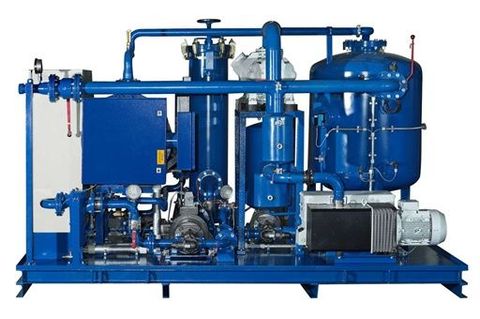
Commercial Food Manufacturing Overview of Modern Production Systems
Commercial food manufacturing is a highly organized process that transforms raw agricultural ingredients into safe, consistent, and widely distributed food products. From grain processing and dairy production to packaged meals and beverages, modern manufacturing facilities combine engineering, food science, and quality management to meet growing consumer demand.
The industry has evolved beyond traditional production methods to incorporate advanced automation, digital monitoring, and standardized manufacturing practices. These improvements help manufacturers maintain product consistency while increasing production capacity and supporting food safety across complex supply chains.
Understanding how commercial food manufacturing operates provides valuable insight into the technologies, production workflows, and operational practices that ensure food products reach consumers with consistent quality, nutritional value, and regulatory compliance.
How Modern Food Production Systems Operate
Commercial food manufacturing follows a structured workflow designed to control every stage of production. Rather than relying solely on manual operations, manufacturers integrate specialized equipment, automated controls, and standardized procedures to maintain efficiency and consistency.
Production begins with receiving and inspecting raw materials. Ingredients undergo verification before entering processing lines, where they are cleaned, measured, blended, cooked, formed, or packaged according to specific production requirements.
Throughout the process, monitoring systems collect production data that helps maintain consistent operating conditions while reducing unnecessary waste and production interruptions.
Core Stages of Commercial Food Manufacturing
Although manufacturing methods vary depending on the product, most facilities follow several essential production stages.
Raw materials are first inspected to verify quality and compliance with production specifications. Cleaning and preparation remove impurities before ingredients enter processing equipment.
Manufacturing operations may include mixing, grinding, cooking, fermentation, extrusion, drying, cooling, freezing, or other specialized processes depending on the final product.
Packaging follows production and serves multiple purposes beyond product presentation. Proper packaging protects food quality, extends shelf life, supports transportation, and provides consumers with important product information.
Finished products then undergo final inspection before distribution through wholesale, retail, or food service supply chains.
Equipment That Supports Modern Food Manufacturing
Commercial food production depends on specialized equipment designed for efficiency, hygiene, and repeatable performance.
Common production equipment includes:
- Industrial mixers
- Conveying systems
- Processing tanks
- Heat exchangers
- Industrial ovens
- Cooling tunnels
- Filling machines
- Packaging equipment
- Labeling systems
- Automated inspection devices
Each machine performs a specific function while operating as part of an integrated production system. Proper equipment selection contributes significantly to production efficiency and product consistency.
Automation Improves Production Efficiency
Automation has become an important part of commercial food manufacturing because it improves production consistency while reducing manual intervention.
Programmable control systems regulate processing temperatures, mixing times, ingredient quantities, and production speeds with high accuracy. Sensors continuously monitor production conditions and provide immediate feedback whenever operating parameters move outside established limits.
Automated material handling systems also improve production flow by transporting ingredients and finished products efficiently between different processing stages.
Although automation reduces repetitive manual tasks, trained personnel remain essential for supervision, maintenance, quality assurance, and production management.
Food Safety and Quality Management
Food safety remains one of the highest priorities throughout commercial manufacturing operations.
Manufacturers implement documented quality management systems that identify potential hazards and establish preventive controls throughout production. Equipment sanitation, environmental monitoring, employee hygiene practices, and process verification all contribute to maintaining food safety standards.
Quality assurance extends beyond laboratory testing. Raw material inspections, in-process monitoring, packaging verification, and finished product evaluations help ensure every production batch meets established manufacturing specifications.
Traceability systems further support quality management by allowing manufacturers to identify production records associated with individual product batches.
Ingredient Control and Process Consistency
Consistent ingredient quality directly influences the performance of commercial production systems.
Manufacturers evaluate raw materials according to moisture content, purity, composition, physical characteristics, and other technical specifications before production begins. Standardized formulations then help ensure consistent product characteristics across multiple manufacturing cycles.
Carefully controlled processing conditions also contribute to product consistency. Parameters such as temperature, mixing speed, cooking duration, cooling rates, and packaging conditions are continuously monitored to minimize variation.
This disciplined approach helps manufacturers produce food products that maintain predictable appearance, texture, flavor, and shelf stability.
Sustainability in Food Manufacturing
Environmental responsibility has become an increasingly important objective for commercial food manufacturers.
Facilities continue adopting technologies that improve energy efficiency, reduce water consumption, and optimize resource utilization. Many production systems recover heat from manufacturing processes, recycle water where appropriate, and improve packaging efficiency to reduce material usage.
Waste reduction has also become a major operational focus. Improved production planning, ingredient utilization, and by-product recovery help manufacturers maximize resource efficiency while reducing environmental impact.
Sustainability initiatives increasingly support both operational performance and long-term manufacturing resilience.
Workforce and Operational Expertise
Despite increasing automation, successful food manufacturing depends on experienced professionals across multiple disciplines.
Food scientists develop formulations and processing methods that achieve desired product characteristics. Engineers maintain production equipment and optimize manufacturing systems, while quality specialists oversee compliance with food safety programs and manufacturing standards.
Production supervisors coordinate daily operations, ensuring equipment, personnel, and materials remain aligned with production schedules and quality expectations.
Continuous employee training supports safe operations while helping facilities adapt to new technologies and evolving regulatory requirements.
Emerging Technologies Shaping Food Manufacturing
Commercial food manufacturing continues evolving through digital technologies that improve operational visibility and production performance.
Manufacturers increasingly implement connected production equipment capable of monitoring operating conditions in real time. Advanced analytics assist production teams by identifying process trends, supporting predictive maintenance, and improving manufacturing efficiency.
Artificial intelligence, machine vision, and automated quality inspection systems are also expanding within food production facilities. These technologies enhance product consistency while reducing manual inspection requirements and improving production decision-making.
As digital manufacturing capabilities continue developing, food production systems are expected to become even more efficient, traceable, and responsive to changing market demands.
Conclusion
Commercial food manufacturing combines engineering, food science, automation, and disciplined quality management to produce safe, consistent, and high-quality food products on a large scale. Every stage—from ingredient inspection through processing, packaging, and final verification—contributes to maintaining reliable production and consumer confidence.
As manufacturing technologies continue advancing, greater automation, improved sustainability practices, and smarter production systems will further strengthen commercial food manufacturing. Organizations that integrate technical innovation with rigorous quality standards will remain well positioned to support the growing demand for safe, efficient, and dependable food production.

Related Post...

Freelance Visa Dubai Insights for Digital Professionals Moving Abroad
Updated: July 03, 2026
Read More
Industrial Fabrication Advanced Production Insights for Modern Engineering
Updated: July 14, 2026
Read More
Original Equipment Manufacturer Insights for Modern Production Systems
Updated: July 03, 2026
Read More